The Opportunity: Affordable Access That Could Save Lives and Reduce NCD Burden
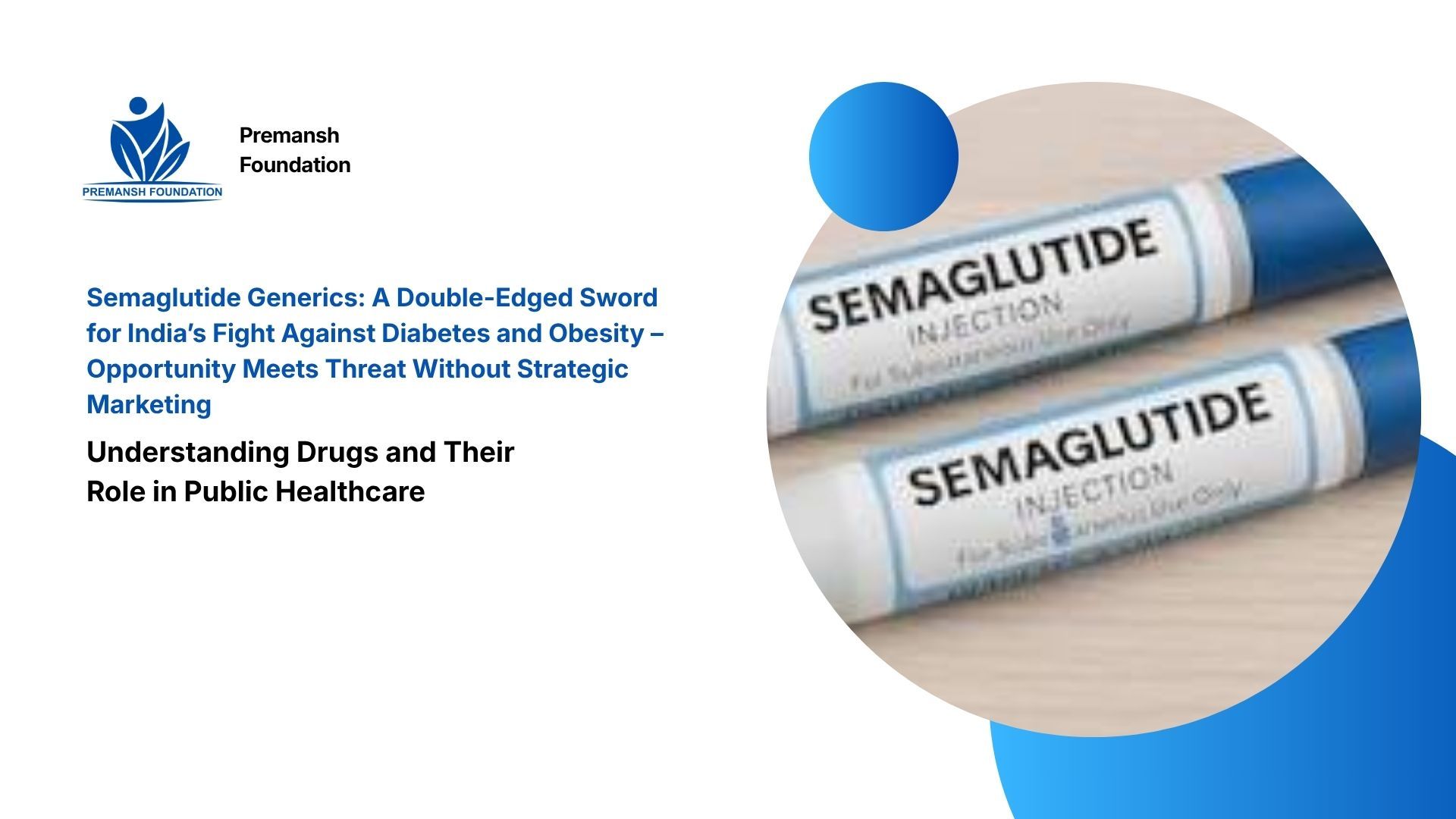
Semaglutide, a GLP-1 receptor agonist, mimics a gut hormone to regulate blood sugar, suppress appetite, and promote significant weight loss. Clinical evidence shows it reduces cardiovascular events by up to 20% in high-risk patients and helps achieve 15-20% body weight reduction when combined with diet and exercise. For India, home to the world’s second-largest diabetes population-this is transformative.
- Scale of the crisis: India has approximately 90 million adults living with diabetes (2024 data), with prevalence among those aged 45+ reaching nearly 20% in some surveys. Projections warn of 69 million cases by 2032 without intervention. Obesity (using India-specific BMI ≥25 kg/m² criteria) already affects 254 million people, driving much of this burden.
- Cost barrier shattered: Branded versions previously cost ₹8,800-11,000+ per month. Generics launched in March 2026 start as low as ₹1,290 per month for vial formulations (about $15 USD) and ₹2,200-4,500 for pen reductions of 70-90%. Early launches from various indian companies have confirmed that this price war is underway.
For millions in rural and low-income households who previously could not afford these therapies, generics open the door to better glycemic control, fewer complications (heart disease, kidney failure, amputations), and reduced out-of-pocket expenditure. In a country where NCDs account for a growing share of healthcare costs and productivity losses, widespread access could ease pressure on public systems like Ayushman Bharat. As an NGO, we see this as a rare chance to advance universal health coverage goals especially if generics are prioritized in essential medicines lists and public procurement.
Globally, similar patent expiries in China, Canada, and beyond will amplify this, potentially reaching 40% of the world’s population with affordable GLP-1 options. For high-burden nations like India, the opportunity extends to prevention: pairing affordable drugs with community programs could bend the curve on obesity-driven diabetes.
The Threat: Misuse, Side Effects, and Systemic Strain If Marketing Lacks Strategy
Yet, availability alone is not enough and unchecked commercialization poses real dangers. Doctors and public health experts are already raising alarms about a surge in off-label, unsupervised use driven by social media, beauty clinics, and gym trainers. Without strategic marketing (targeted education, clear indication limits, and post-market monitoring), generics could flood the market in ways that harm patients and undermine trust in NCD care.
Potential Key risks may include:
- Cosmetic and unqualified prescribing: Lower prices fuel demand for “quick-fix” weight loss among non-obese individuals. Reports show prescriptions from non-specialists (dieticians, trainers) without proper BMI screening, titration, or monitoring. This ignores that semaglutide is indicated for type 2 diabetes or clinical obesity and not for casual slimming.
- Side effects without support: Common issues include gastrointestinal distress, pancreatitis, gallbladder problems, and rare but serious risks like kidney complications. Poor adherence or abrupt stops can lead to weight regain and rebound effects. In a self-medication-prone culture, unsupervised use heightens these.
- Market chaos and equity gaps: Dozens of brands risk confusion over quality, dosing, and authenticity. Rural patients may face supply inconsistencies, while urban hype could divert resources from prevention. Dropout rates may rise without counseling, wasting potential benefits.
- Broader public health impact: Over-reliance on drugs without lifestyle integration could weaken community efforts on diet, exercise, and early screening. If adverse events spike, it strains already overburdened primary care and erodes confidence in generics.
From our on-ground experience in Uttar Pradesh and similar states, we’ve seen how rapid pharma rollouts without safeguards can exacerbate inequities, benefiting those with access to informed doctors while leaving vulnerable groups exposed.
Why Strategic Marketing Is Non-Negotiable: A Call for Responsible Action
“Strategic marketing” here means more than promotion, it demands ethical, patient-centered strategies from pharma companies, regulators, and civil society. As an NGO, we advocate for:
- Pharma responsibility: Limit direct-to-consumer ads; invest in healthcare provider training on indications, monitoring protocols, and contraindications. Bundle generics with free patient education tools (apps for tracking, diet guides) and pharmacovigilance programs.
- Regulatory guardrails: Enforce prescription-only status strictly; update National List of Essential Medicines guidelines; mandate post-marketing surveillance for generics. India’s Drug Controller must address “surrogate” promotions disguised as awareness campaigns.
- Integrated public health approach: Pair access with lifestyle programs. Governments and NGOs can co-create community clinics offering counseling alongside generics—ensuring drugs support, not replace, prevention.
- Equity focus: Prioritize subsidies or Jan Aushadhi-like schemes for rural/low-income patients; track real-world outcomes to refine use.
If executed strategically, generics could become a cornerstone of India’s NCD strategy-reaching underserved populations while minimizing harm. If not, we risk repeating past lessons from antibiotics: overuse leading to resistance-like issues (here, eroded efficacy perceptions and health system overload).
Call to Action
At Premansh Foundation, we urge the manufacturers, policymakers, and medical associations to shape responsible rollout. We urge:
- Patients: Use only under qualified medical supervision; combine with sustainable lifestyle changes.
- Healthcare providers: Prioritize evidence-based prescribing and monitoring.
- Government and industry: Collaborate on national guidelines before the market fully saturates.
- Fellow NGOs and civil society: Join us in awareness drives and access monitoring.
Semaglutide generics represent a once-in-a-generation opportunity to democratize life-changing care. But without strategic foresight rooted in equity, education, and ethics; it could tip into threat. Let’s ensure India’s patients reap the benefits safely.
Together, we can turn affordability into genuine health gains.
For more resources on NCD prevention or to partner with us, visit [premanshfoundation.org] or contact our team.
Sources include recent Lancet studies, industry filings, and public health reports (March 2026). This analysis reflects our independent advocacy perspective.
Disclaimer
This article is published for educational, informational, and advocacy purposes only. It aims to raise awareness about the public health implications of generic semaglutide availability in India from the perspective of an NGO working on equitable access to medicines and non-communicable disease prevention.
The information contained herein, including statistics, market updates, opportunities, risks, and recommendations regarding semaglutide (generic versions of Ozempic/Wegovy) and related GLP-1 drugs, is based on publicly available reports, studies, and news as of March 2026. While we strive for accuracy, we don't guarantee the completeness, timeliness, or absolute accuracy of the content, and it may be subject to change.